Osteoarthritis — how physical therapy helps with joint pain
Short answer: physical therapy doesn't cure osteoarthritis, but it can meaningfully reduce pain, improve joint mobility, and help slow its progression — through a combination of targeted exercise, manual therapy, and electrotherapy. For advanced osteoarthritis, a doctor may also recommend other options, including surgery.
What is osteoarthritis
Osteoarthritis is a degenerative joint disease in which the cartilage that protects the bones gradually wears down, leading to pain, stiffness, and reduced mobility. It most commonly affects the knees, hips, spine, and hand joints, and risk increases with age and prior joint strain.
How physical therapy helps
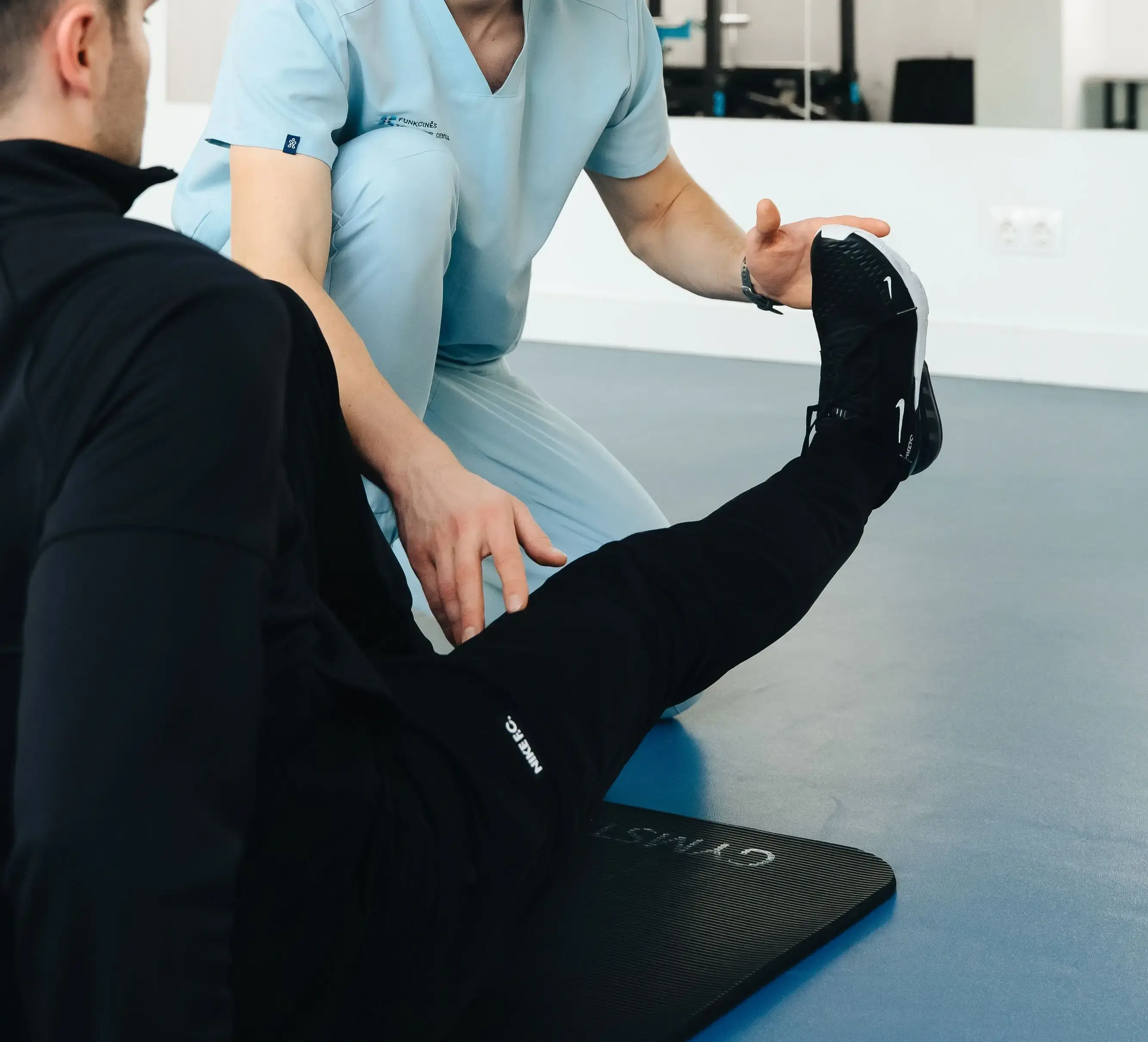
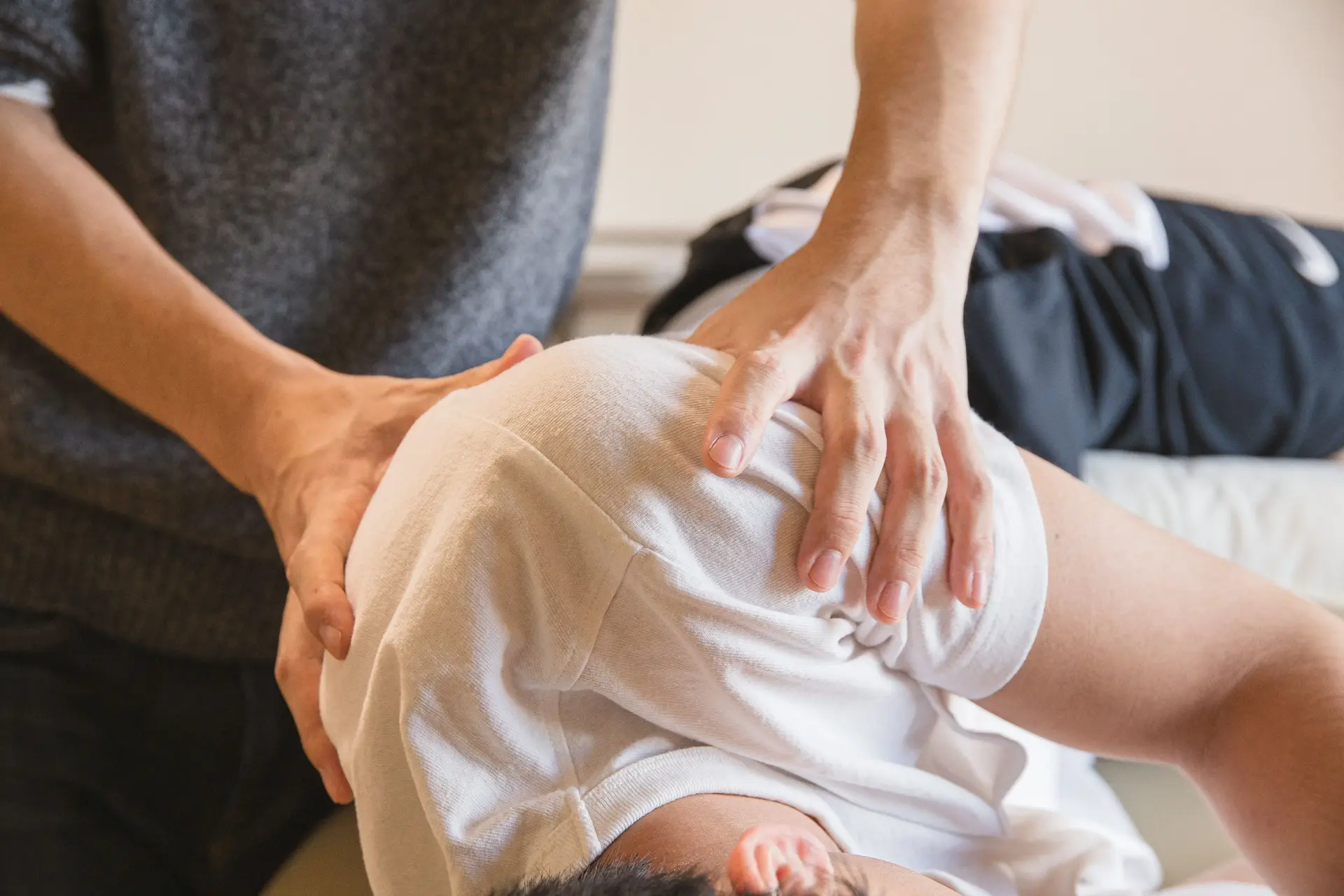
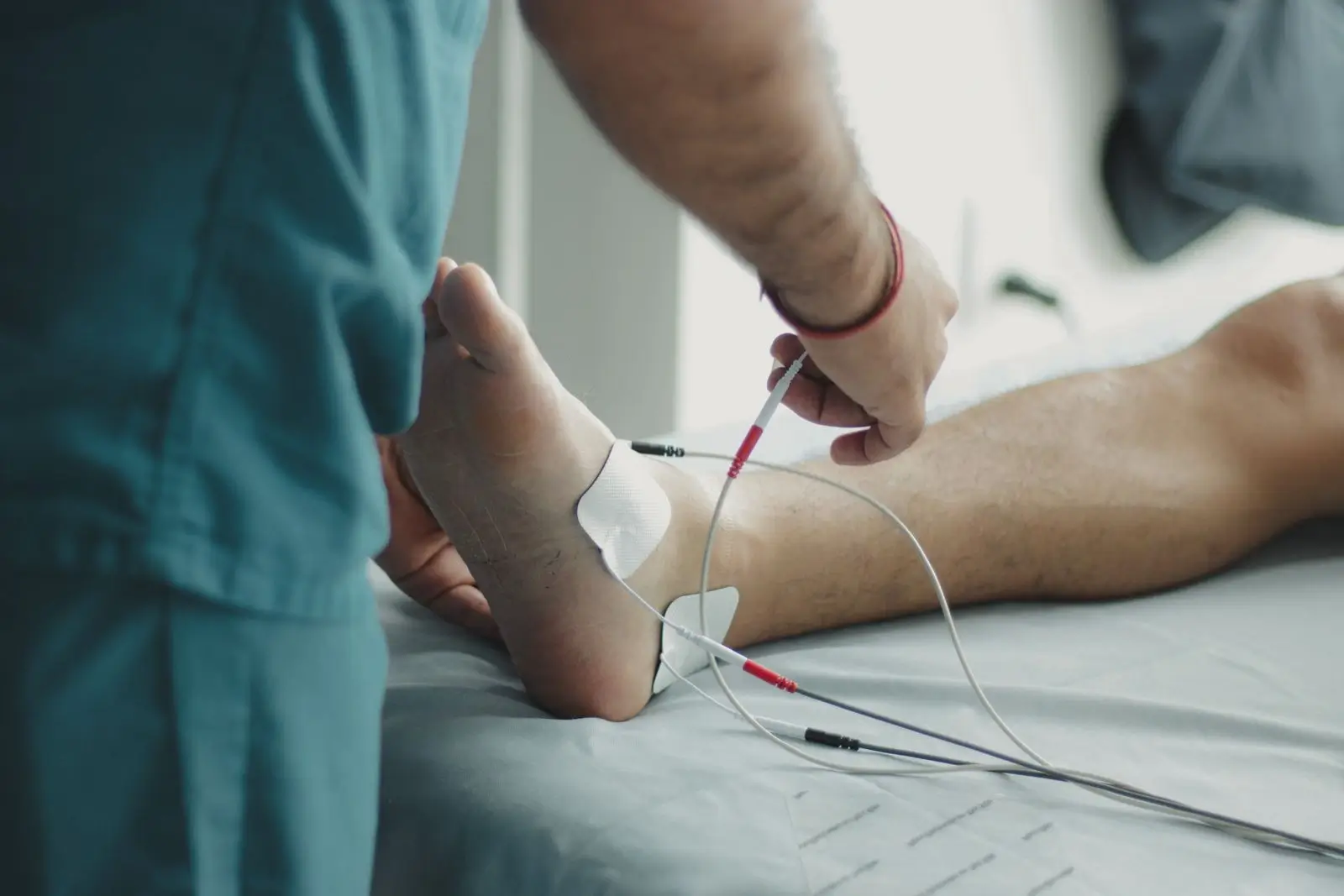
Targeted exercise strengthens the muscles around the joint, taking load off the joint itself and reducing pain during activity. Manual therapy maintains mobility and reduces stiffness, while electrotherapy (e.g. ultrasound or TENS) helps during more acute episodes of pain and inflammation.
When to seek an assessment
If joint pain lasts longer than a few weeks, worsens with activity, or comes with morning stiffness lasting more than half an hour, it's time for an assessment. Starting physical therapy early often slows symptom progression better than waiting until the pain becomes severe.
The limits of physical therapy for osteoarthritis
Physical therapy can't restore worn cartilage or stop the disease entirely. For advanced osteoarthritis, when pain significantly limits daily life despite therapy, a doctor may recommend further options, including joint replacement surgery. Physical therapy still plays an important role in that case too — for pre-surgical preparation and post-surgical recovery.
Don't wait until osteoarthritis significantly limits your daily life.