When do I need physical therapy after a knee injury?
⚠ This article provides general guidance and does not replace an examination by a doctor or physiotherapist. If you have severe pain, can't bear weight, or notice a visible deformity, seek emergency medical care.
Short answer: if pain or swelling after a knee injury lasts more than a few days, the knee feels unstable, you can't bear weight normally, or you heard/felt a "pop" at the moment of injury — it's time for a physiotherapist's assessment.
Signs you need help right away
- Severe pain that prevents walking or bearing weight
- Visible swelling that appears within an hour of the injury
- A feeling of instability or the knee "giving way"
- An audible "pop" at the moment of injury
- Pain or swelling that doesn't ease after a few days of rest and icing
When physical therapy is the next step
If the acute phase has passed (usually the first 48–72 hours) and the knee is still stiff, weak, or painful, physical therapy helps restore mobility and strength.
What a physiotherapist does for a knee injury
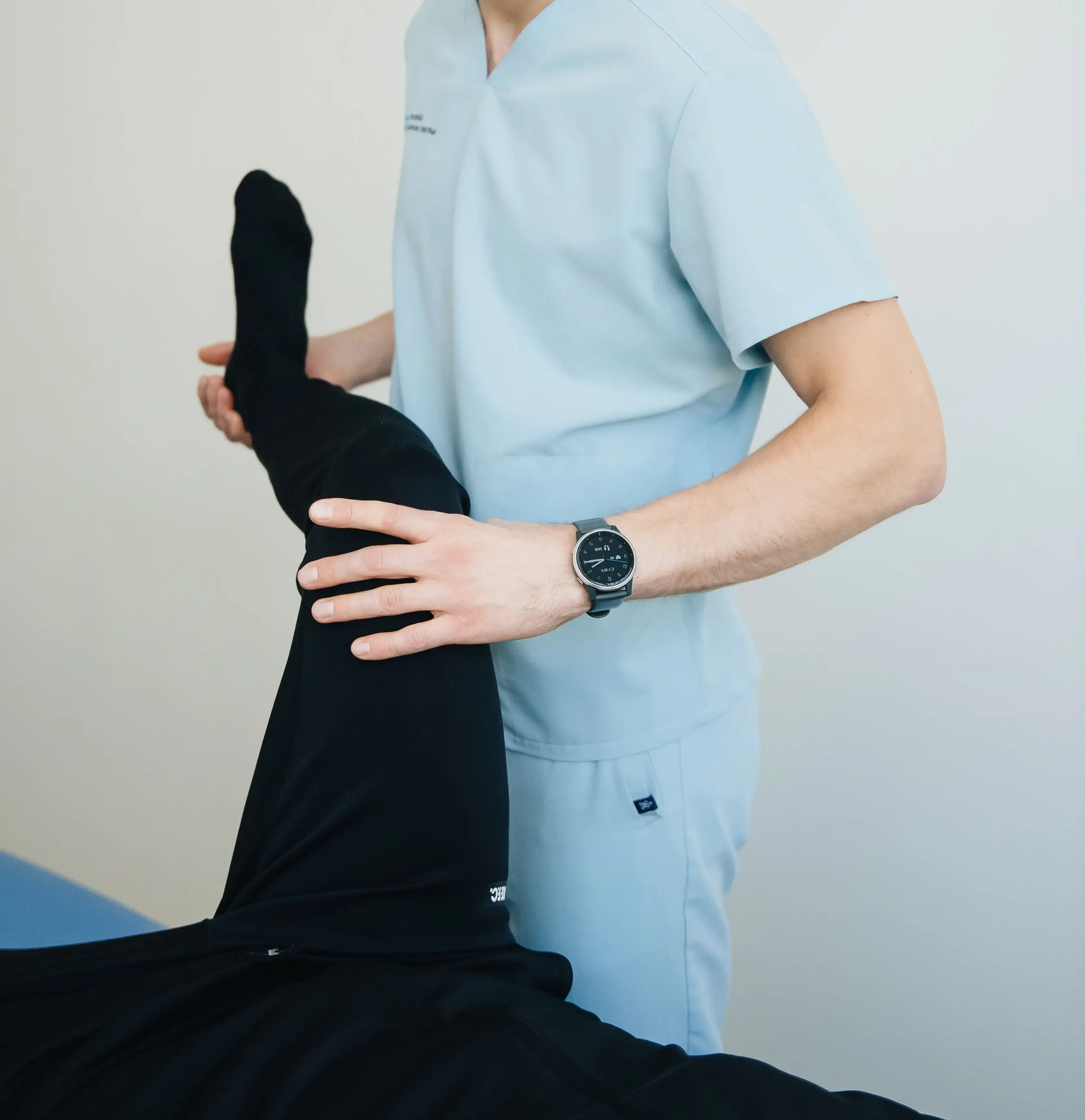
- Assessing range of motion, strength, and joint stability
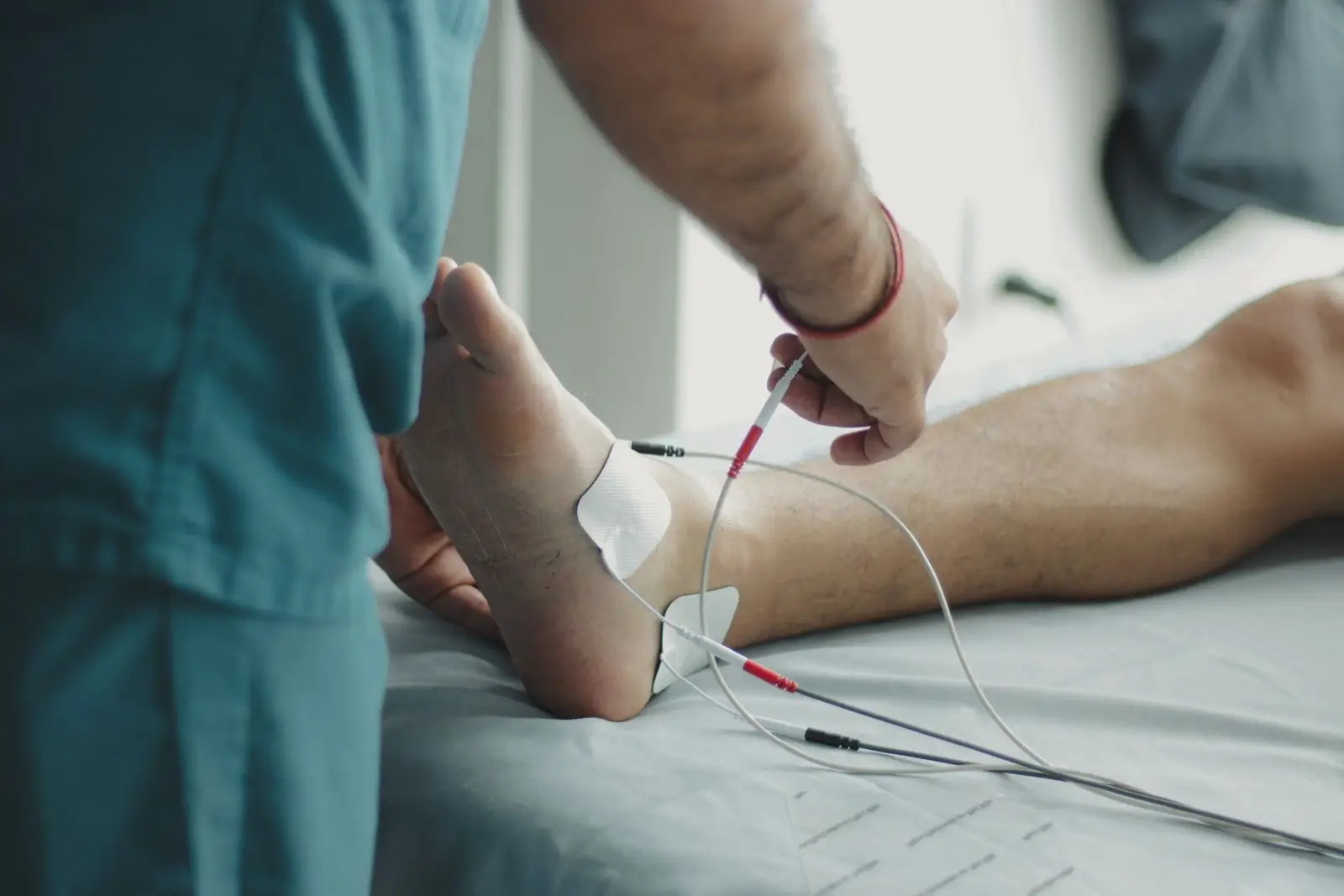
- A combination of electrotherapy/cryotherapy in the early phase
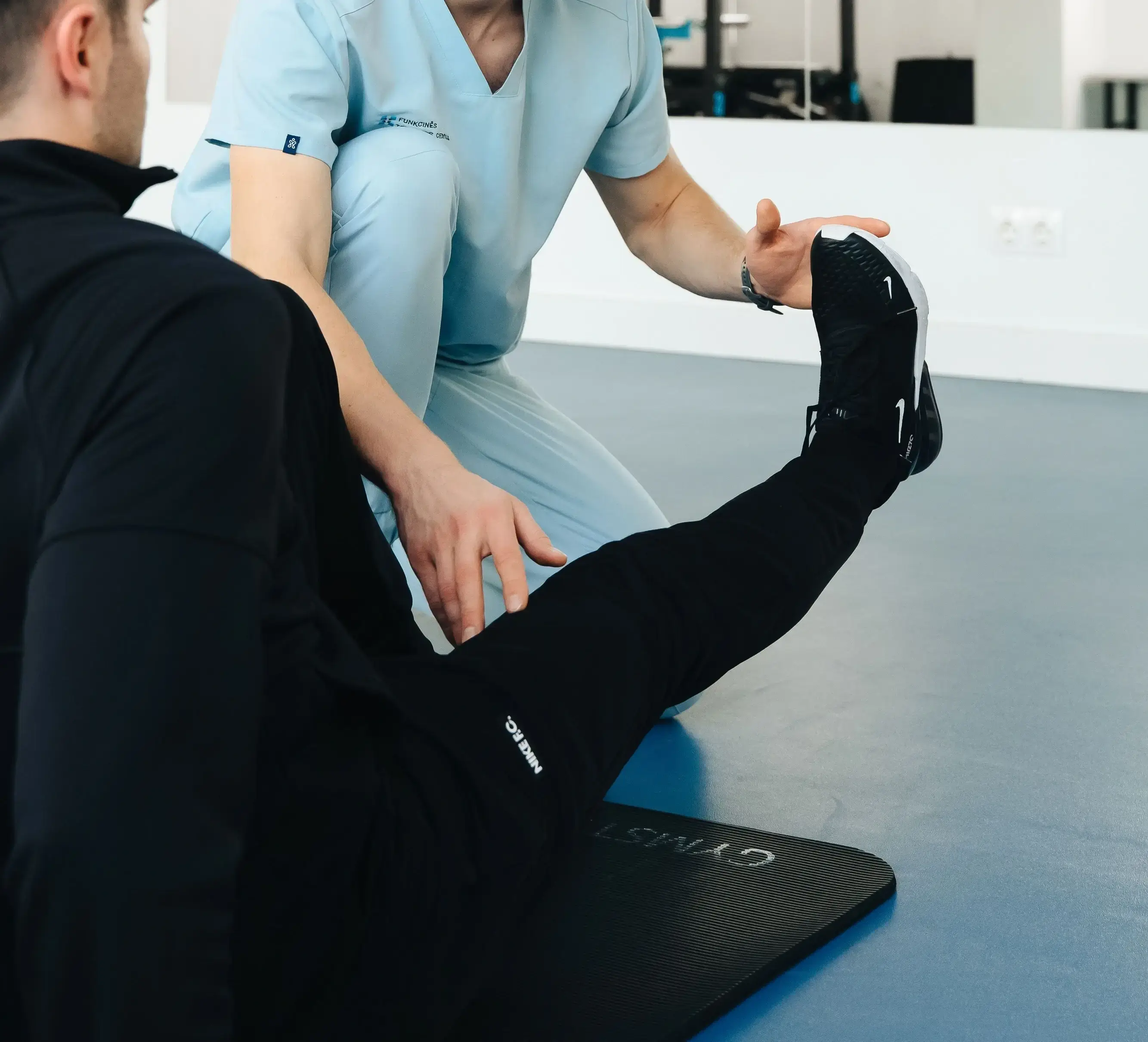
- Individual exercises to strengthen the muscles around the knee
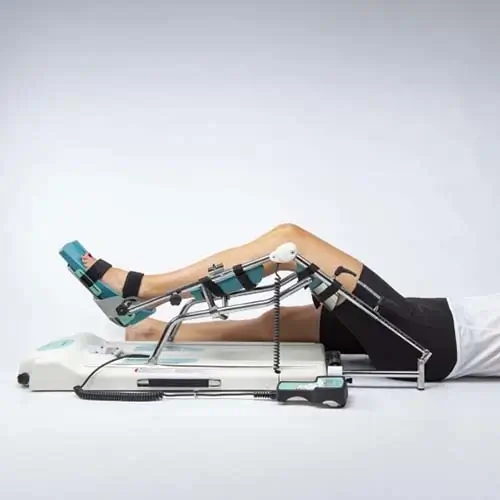
- For more serious injuries — a structured post-surgical rehabilitation program
When not to wait
Knee injuries neglected early often lead to compensatory walking patterns that strain the hip or back. It's better to get an early assessment before the problem spreads.
Not sure if your knee is just sprained or needs a more serious look? Call Atlas.